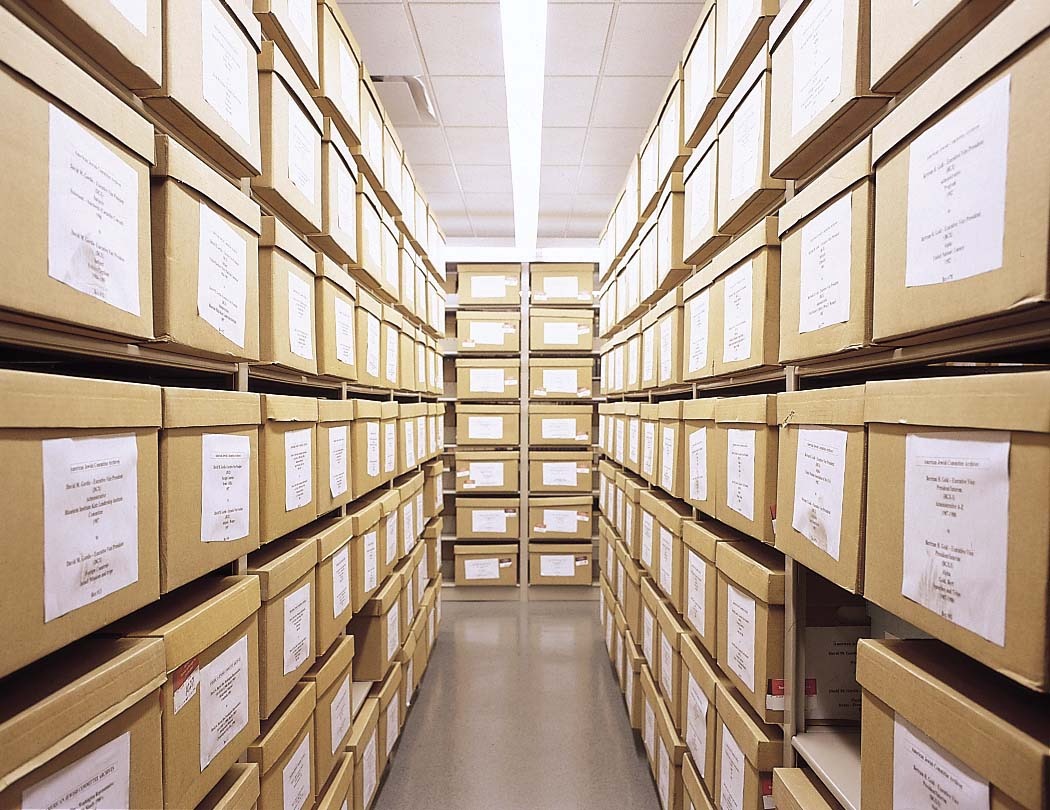
Durable file storage boxes are essential for offices and archives that manage growing volumes of paperwork. From contracts and financial records to personnel files and compliance documents, physical storage still plays a vital role in many organisations. Well built boxes protect documents, keep filing consistent, and make it easier to manage records over long retention periods.
Why durability matters for office and archive storage
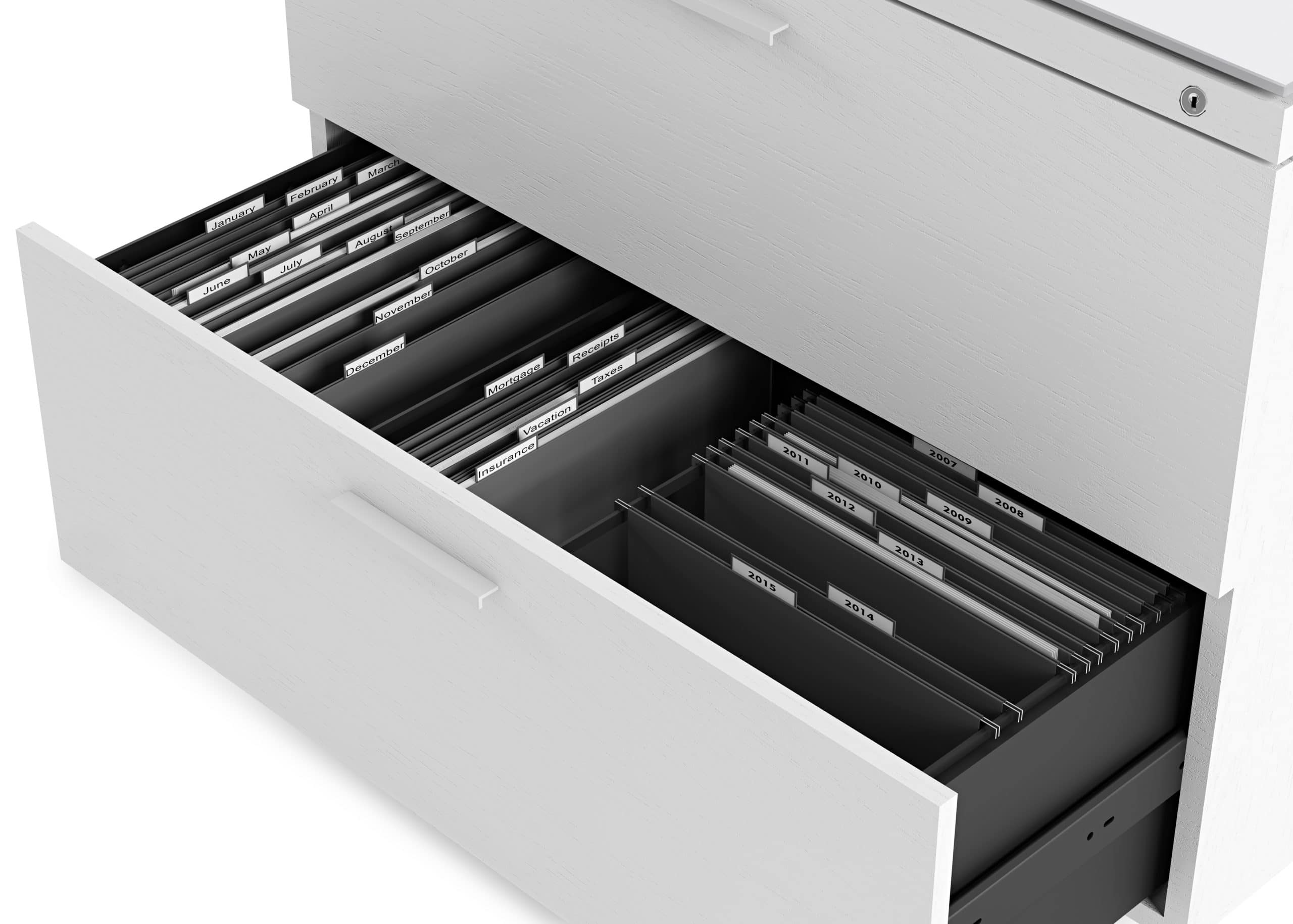
Businesses that get large filing boxes today often do so to protect high volumes of records from damage while keeping storage organised and easy to access.
Durable storage boxes are designed to handle frequent handling, stacking, and transport without collapsing or tearing. Strong materials and reinforced corners help prevent crushed documents and bent pages, which is especially important for records that must be retained for years. In archive environments, durability also supports safe long term storage where boxes may be moved or retrieved multiple times over their lifecycle.
Choosing the right storage box for different environments
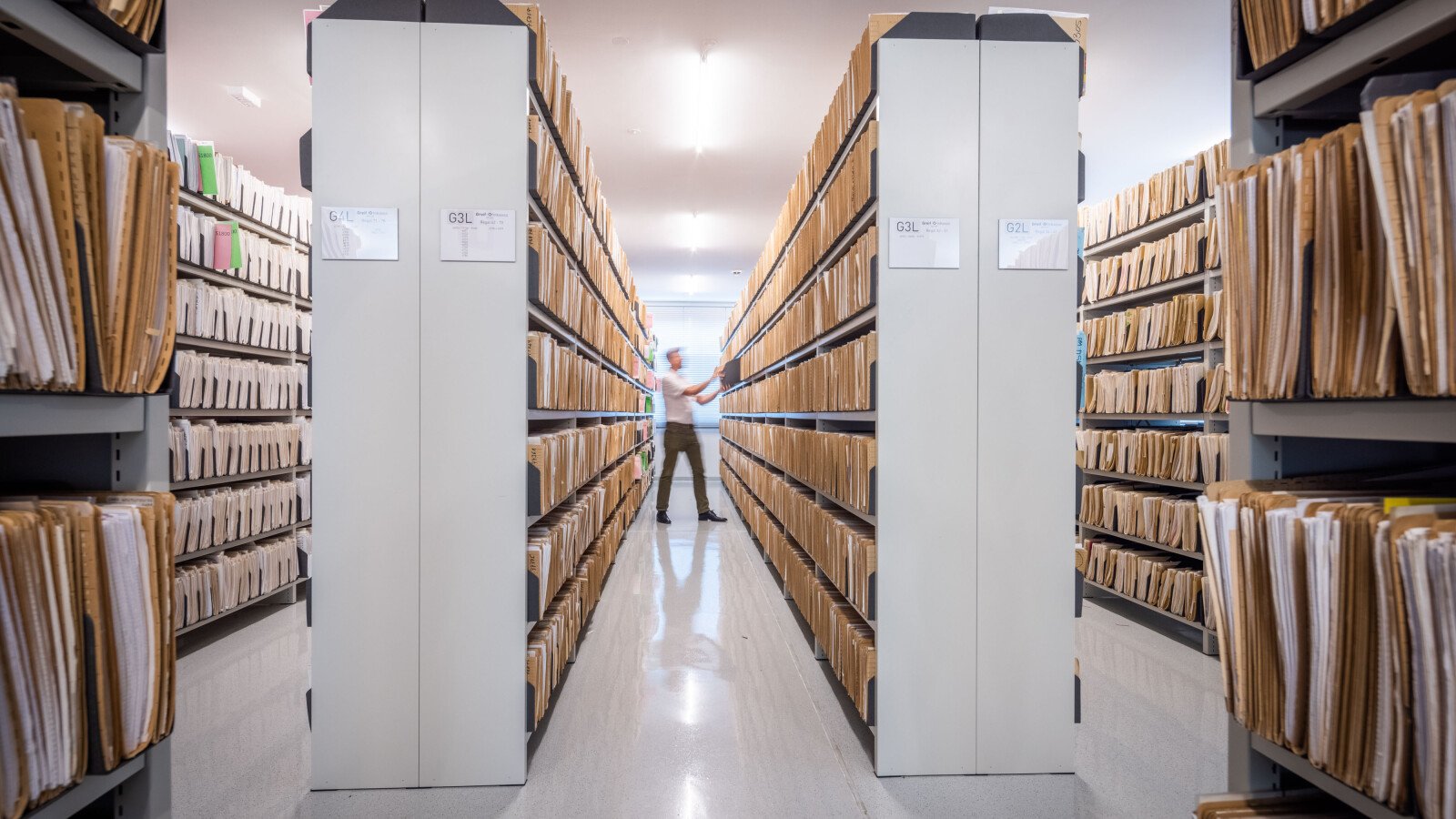
Office environments usually require boxes that balance strength with accessibility. Boxes should fit standard shelving or cabinets, open easily for frequent access, and support clear labelling so staff can quickly locate the right records. Standardised sizes help maintain order and avoid wasted space.
Archives and records rooms often prioritise long term protection and efficient stacking. In these settings, boxes with secure lids, consistent dimensions, and resistance to dust and light exposure are preferred. Choosing the right size for document types, such as A4 files or folders, also reduces shifting and wear inside the box.
Organisation, efficiency, and compliance benefits
Durable file storage boxes improve organisation by grouping related documents into clearly identified units. This reduces loose paper, speeds up retrieval, and lowers the risk of misfiling. Clear labelling areas allow teams to record contents, date ranges, and reference numbers, which supports faster searches and better inventory control.
Compliance is another major benefit. Many industries require records to be stored securely and retained for defined periods. Using robust boxes makes it easier to apply retention schedules, manage audits, and demonstrate proper handling of sensitive information. When records reach the end of their lifecycle, boxed storage also simplifies secure and documented disposal.
Supporting hybrid physical and digital records management

Durable file storage boxes work well alongside digital systems. Frequently accessed documents can be scanned for quick reference, while original papers are stored securely in physical boxes. Linking digital indexes to box references allows staff to search electronically and retrieve the correct box without disrupting the wider filing system.
This hybrid approach improves access speed while maintaining control over physical records. It also supports gradual digitisation without forcing large scale changes that can interrupt daily operations. Consistent box use and clear indexing keep both physical and digital records aligned.
Conclusion
Durable file storage boxes provide reliable solutions for offices and archives managing important documents. By choosing strong materials, consistent sizing, and clear labelling, organisations can protect records, improve efficiency, and meet compliance requirements while keeping storage systems organised and scalable.