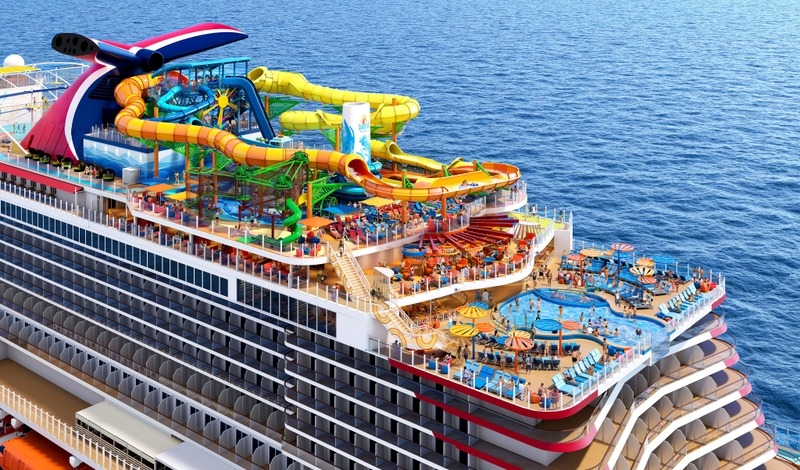
Cruise lines are one of the most important and profitable segments of the travel industry. For new travel agents, understanding how cruises work, how cruise lines differ, and how to position them correctly for clients is essential. Cruises are not just vacations at sea; they are complex products that combine lodging, dining, entertainment, transportation, and destinations into one package. Learning the basics early will help you sell with confidence and avoid common beginner mistakes.
Cruise lines are brands with distinct personalities

One of the first things new agents need to understand is that every cruise line has a clear brand identity. Cruises are not interchangeable. Each line targets a specific type of traveler through ship design, onboard atmosphere, pricing, and itineraries.
Some cruise lines focus on families and fun, others on luxury and refinement, while some appeal to adventure seekers or older travelers. Matching the cruise line’s personality to the client’s lifestyle is far more important than simply finding the lowest price. When clients feel aligned with the brand experience, satisfaction and repeat bookings increase significantly.
Learning brand differences takes time, but supplier training, ship videos, and firsthand feedback from clients accelerate the process.
Commissions, pricing, and how agents get paid

Cruise lines are popular among agents because commissions are generally higher than flights and often higher than hotels. Most cruise fares include accommodation, main dining, entertainment, and onboard activities, which creates higher total booking values.
New agents should understand that pricing can change frequently due to promotions, demand, and cabin availability. Cruise lines often offer limited time incentives such as onboard credit, reduced deposits, or kids sail free promotions. Knowing how to explain these clearly builds trust and urgency.
Many agents working through platforms like Expedia travel agent programs or host agencies gain access to booking tools that display live pricing, promotions, and commission tracking, making it easier to manage cruise sales efficiently.
Cabins, ships, and itineraries matter more than you think
Cabin choice is one of the most important decisions in cruise booking. Interior, oceanview, balcony, and suite categories all impact price and experience. Location also matters. Mid ship cabins are better for motion sensitivity, while aft or forward cabins offer different views and experiences.
Ship size also plays a major role. Larger ships offer more activities, dining options, and entertainment, while smaller ships provide a more intimate experience and access to unique ports. Itinerary length and port intensity should match the client’s energy level and travel goals.
Helping clients understand these differences positions you as an expert rather than just a booking assistant.
Policies, deadlines, and client education

Cruise bookings come with strict payment schedules and cancellation policies. New agents must pay close attention to final payment dates, name accuracy, and passport requirements. Small mistakes can lead to penalties or unhappy clients.
Educating clients early is critical. Explain what is included, what costs extra, and what to expect onboard. First time cruisers especially need reassurance and clear guidance. A well informed client is far easier to serve and more likely to rebook.
Conclusion
Cruise lines offer incredible opportunities for new travel agents, but success requires knowledge and strategy. Understanding brand personalities, commission structures, cabins, itineraries, and policies allows agents to sell confidently and ethically. With proper training and client focused guidance, cruises can become one of the strongest and most rewarding segments of a new travel agent’s business.