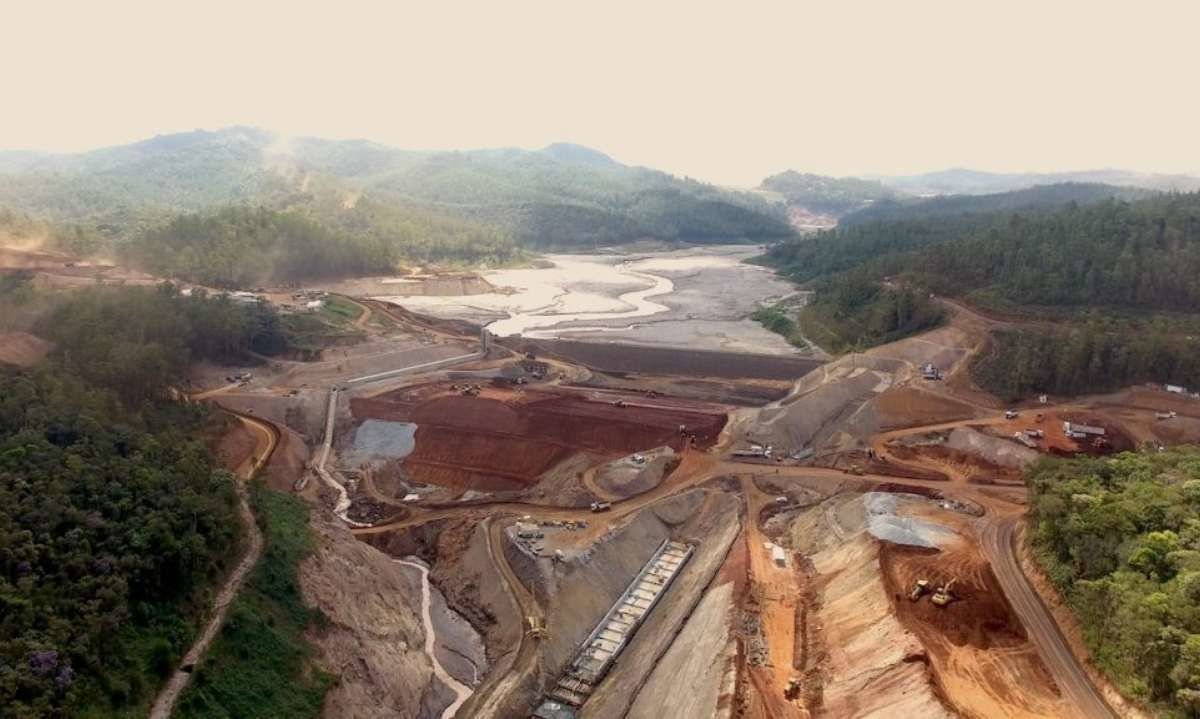
The Brazil case involving Pogust Goodhead has become one of the most closely watched examples of international group litigation. At its center are victims of the Mariana dam disaster, a catastrophic collapse that caused deaths, destroyed communities, polluted rivers, and disrupted livelihoods across parts of Brazil. The case has drawn global attention because it raises major questions about corporate accountability, compensation, litigation funding, and the role of UK courts in overseas disputes.
Pogust Goodhead’s involvement has made the firm central to the legal fight on behalf of affected communities. At the same time, public attention on the firm’s leadership, finances, and governance has created fresh questions about how large claims of this kind are managed.
Why Mariana Victims Turned To International Litigation
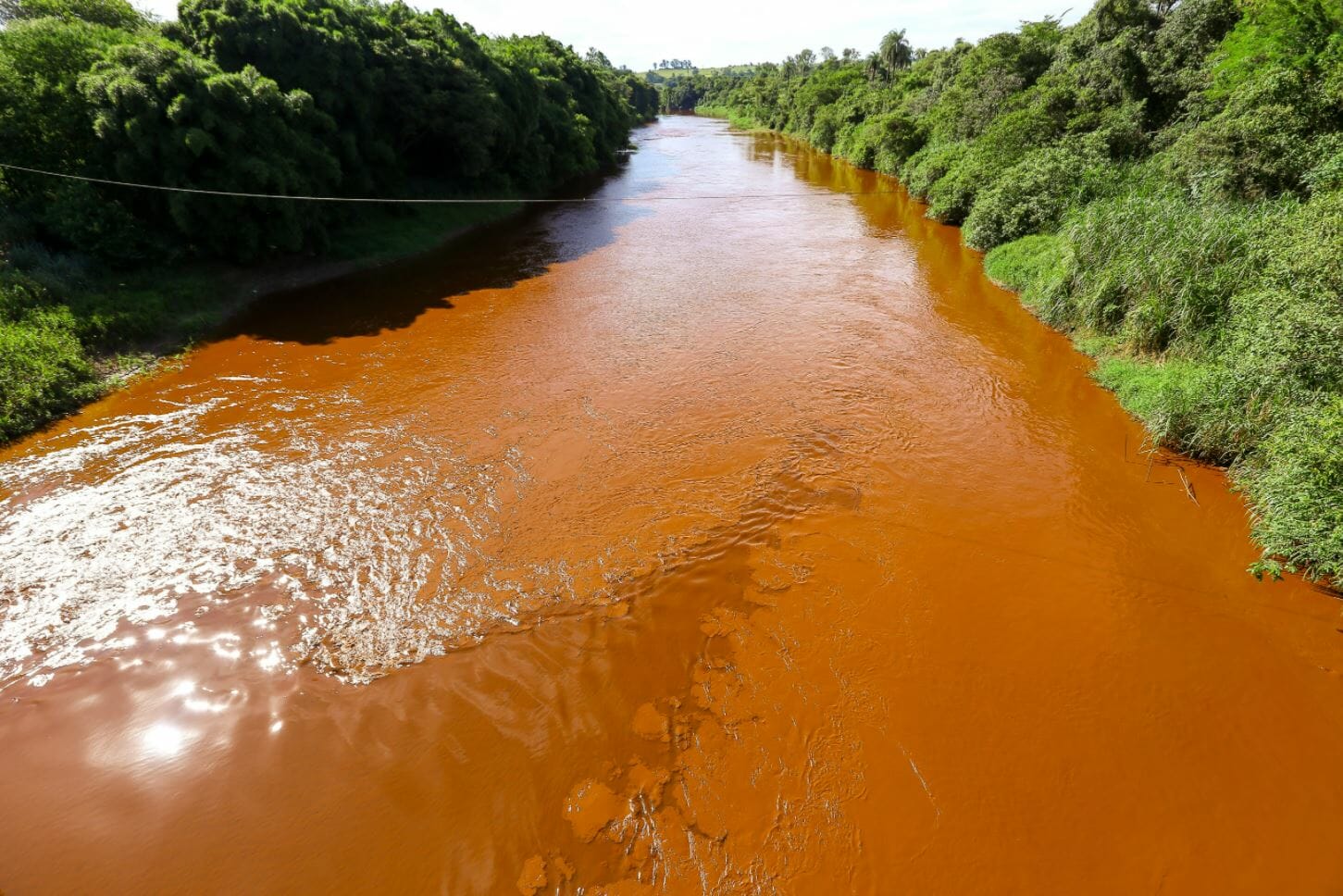
Many victims of the Mariana disaster sought legal routes beyond Brazil because they believed existing compensation processes had not fully addressed their losses. The reported Pogust Goodhead leadership exit has added another layer of attention to the case, but the central issue remains the claimants’ pursuit of compensation for environmental, economic, and personal harm.
The dam collapse released mining waste into communities and waterways, creating long-lasting damage for residents, businesses, local authorities, and ecosystems. For affected people, the lawsuit represents more than a financial claim. It is also a demand for recognition, responsibility, and a stronger response from companies connected to the operation.
International litigation can provide a forum for examining corporate conduct where multinational companies are involved. In this case, the claim against BHP has become a test of whether parent companies can face legal consequences in the UK for damage linked to overseas operations.
Funding Questions Behind The Case
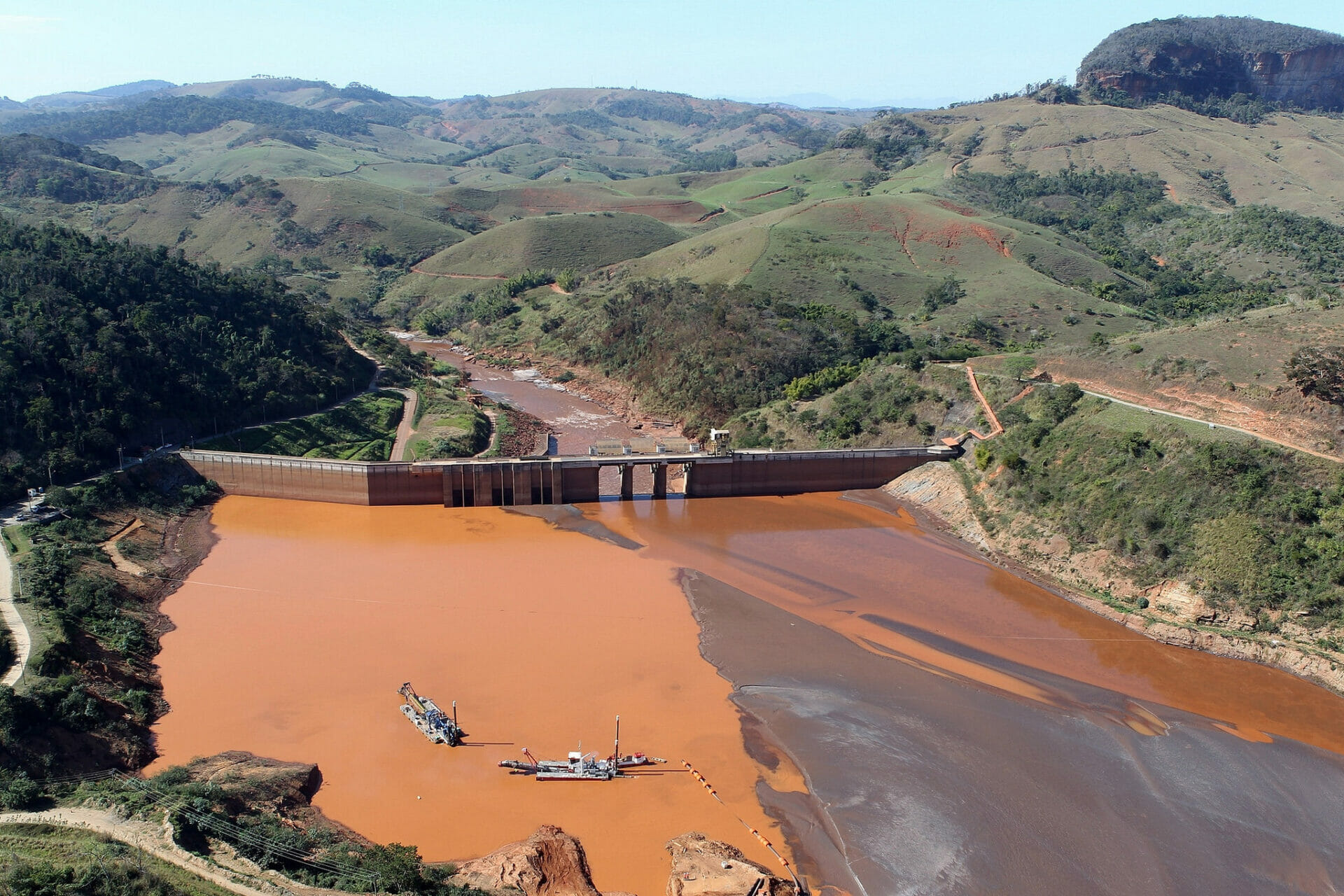
Cases of this scale are extremely expensive to bring. A law firm must coordinate large claimant groups, gather evidence, instruct experts, manage translations, prepare court documents, and sustain the claim over several years. For that reason, litigation funding is often essential in major group actions.
Funding can help victims pursue claims they could not afford individually. Without external finance, many affected communities would struggle to challenge a powerful multinational company.
However, the model also raises questions about cost, control, transparency, and how any eventual compensation may be divided.
These funding questions have become more visible as Pogust Goodhead itself has faced reports about financial pressure and internal change.
Claimants and observers naturally want reassurance that the case remains properly resourced and that funding arrangements serve the interests of victims rather than commercial backers.
The Legal Questions Still Being Watched
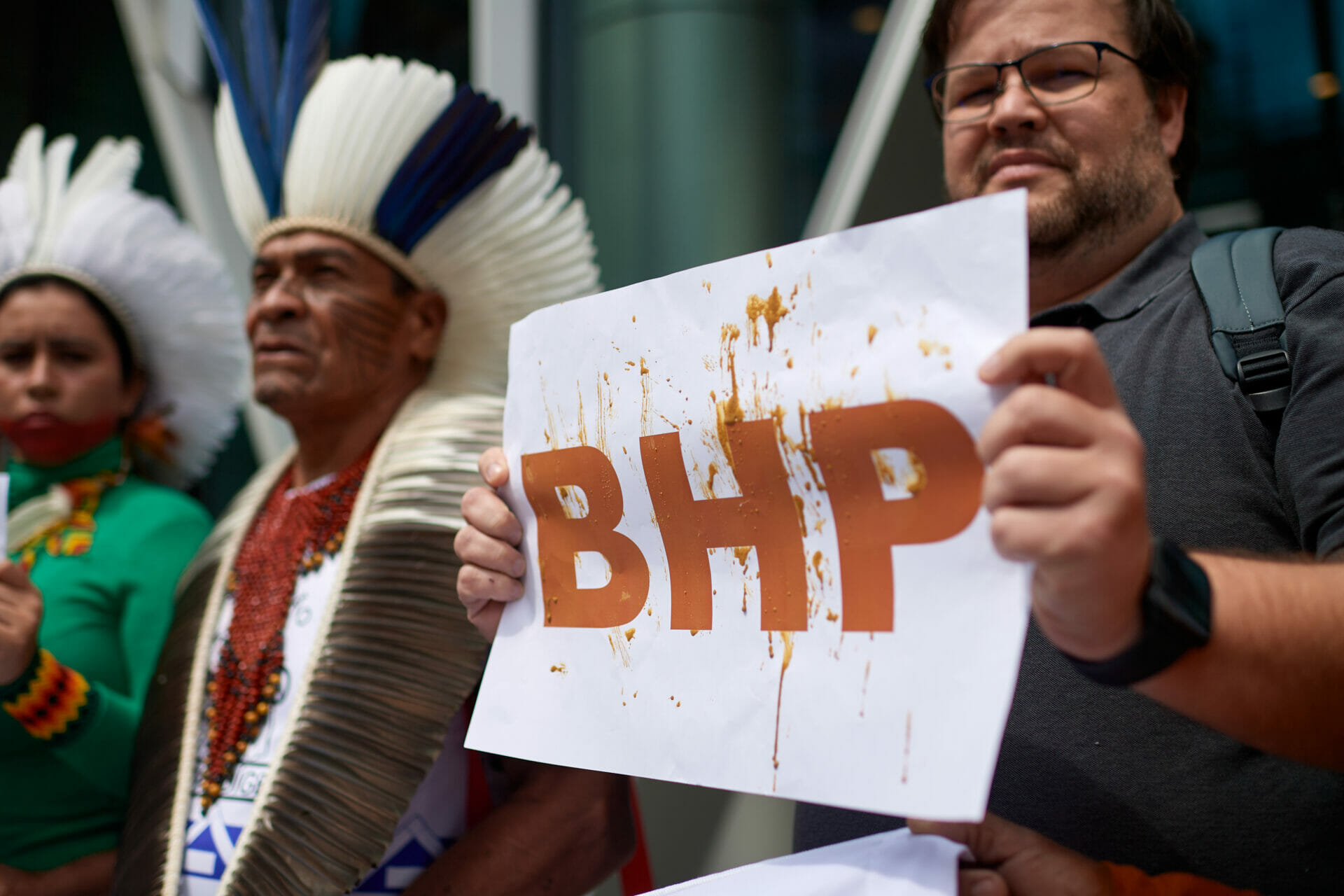
The Mariana case raises several legal questions with wider significance. One is whether UK courts are an appropriate forum for large groups of overseas claimants. Another is how responsibility should be assessed when a disaster involves joint ventures, subsidiaries, parent companies, and local compensation schemes.
The case also raises difficult questions about damages. Courts may need to consider individual losses, community-level harm, environmental impact, previous compensation, and the long term consequences of pollution. This makes the litigation both legally and practically complex.
For Pogust Goodhead, the challenge is to keep the case moving while maintaining claimant confidence during a period of public scrutiny. Leadership changes do not automatically weaken a legal claim, but they do increase the need for clear communication, stable management, and strong governance.
Conclusion
The Pogust Goodhead Brazil case is significant because it combines the human tragedy of the Mariana disaster with wider questions about multinational accountability and litigation funding. For victims, the lawsuit is a route to compensation and recognition. For the legal industry, it is a test of how far international group litigation can go.
As the case continues, attention will remain focused not only on BHP and the disaster itself, but also on the funding, governance, and leadership structures behind the claim. The outcome may influence future environmental litigation and the way large claimant firms manage complex global disputes.