
The BHP lawsuit connected to the Brazil dam disaster has become one of the most important environmental group claims handled through the English courts. The case relates to the collapse of the Fundão dam in Mariana, Brazil, which caused widespread destruction, loss of life, and long term damage to communities and natural resources.
Pogust Goodhead has played a central role in representing affected claimants, and recent developments have shifted attention toward the next stage of the case: assessing damages.
Why the BHP Lawsuit Matters
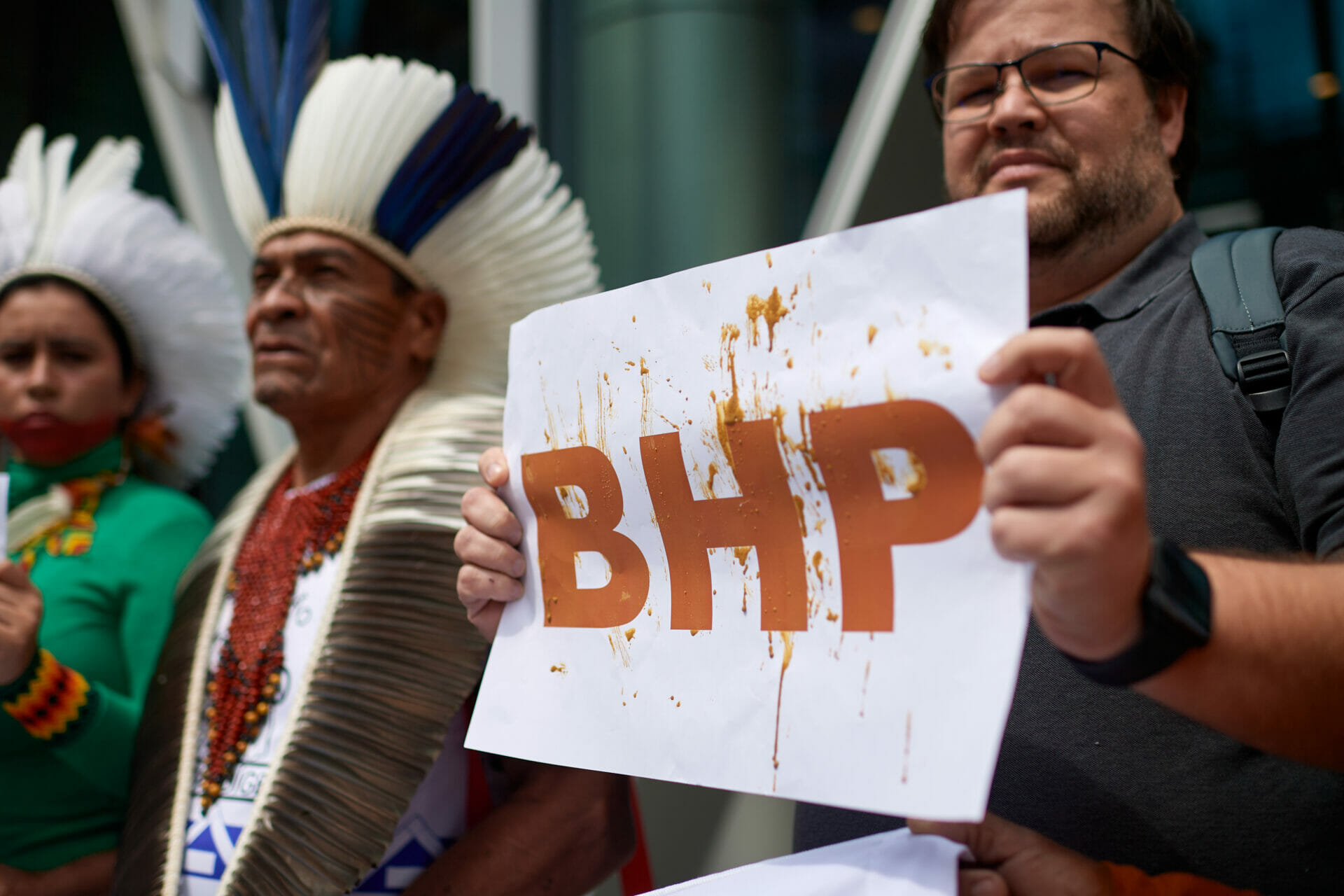
The case is significant because it involves hundreds of thousands of claimants seeking compensation for losses linked to one of Brazil’s worst environmental disasters.
Communities affected by the dam collapse have argued that they suffered damage to homes, livelihoods, land, water sources, and local economies.
The name Thomas Goodman has been associated in public discussion with the wider Pogust Goodhead story, although the firm’s current focus remains on the legal process and the claims brought against BHP. The lawsuit has drawn attention because of its scale, complexity, and potential impact on future international environmental litigation.
How the Case Moves Toward Damages
After liability issues are addressed, the next major stage in a case of this kind is the assessment of damages. This means the court must examine what losses were suffered and how compensation should be calculated for different categories of claimants.
Damages may involve personal losses, business disruption, property damage, environmental harm, and community level impact. Because so many people and organizations are involved, this stage can be highly complex and may require expert evidence, financial records, environmental analysis, and detailed claimant information.
For Pogust Goodhead, this phase is especially important because it requires strong organization and clear communication with claimants. The firm must help manage evidence, explain progress, and support the legal structure needed to pursue compensation fairly.
Why the Case Has Wider Legal Importance

The BHP lawsuit is being watched closely because it may influence how future cross border environmental claims are handled. When large companies operate internationally, affected communities may seek justice outside their home country if they believe local remedies are limited or insufficient.
The case also highlights the growing role of group litigation in environmental accountability. Large claimant actions require significant funding, legal resources, and long term planning.
This has created wider debate about how such cases should be financed, managed, and supervised by courts.
For claimants, the move toward damages is a major step because it brings the case closer to determining what compensation may be available. However, complex litigation can still take time, especially when appeals, evidence disputes, and procedural issues remain possible.
Conclusion
The Pogust Goodhead BHP lawsuit represents a major stage in the legal response to the Brazil dam disaster. As the case moves toward damages, attention now turns to how losses will be assessed and how affected claimants may be compensated.
The litigation also carries wider importance for environmental justice, corporate accountability, and the future of international group claims. While the process remains complex, the damages phase marks a significant step forward for communities seeking recognition and financial redress.