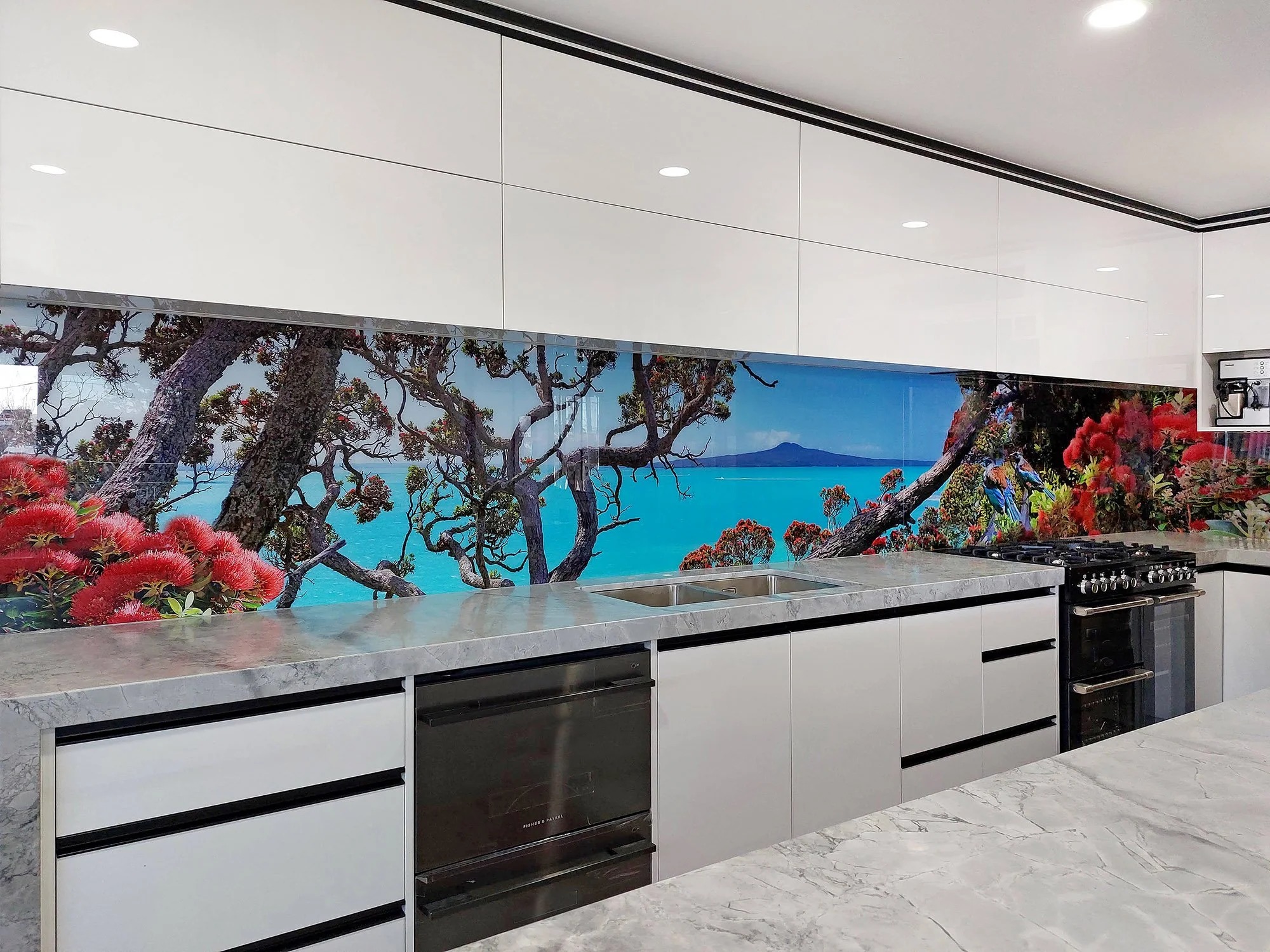
Glass splashbacks are a popular choice for modern kitchens because they look clean, bright, and easy to maintain. They can instantly lift the space by adding colour, reflection, and a smooth surface behind worktops.
Still, they are not a perfect fit for every home and every cooking style. Knowing the main pros, cons, and long term care needs helps you choose with confidence.
Pros that make glass a strong kitchen choice
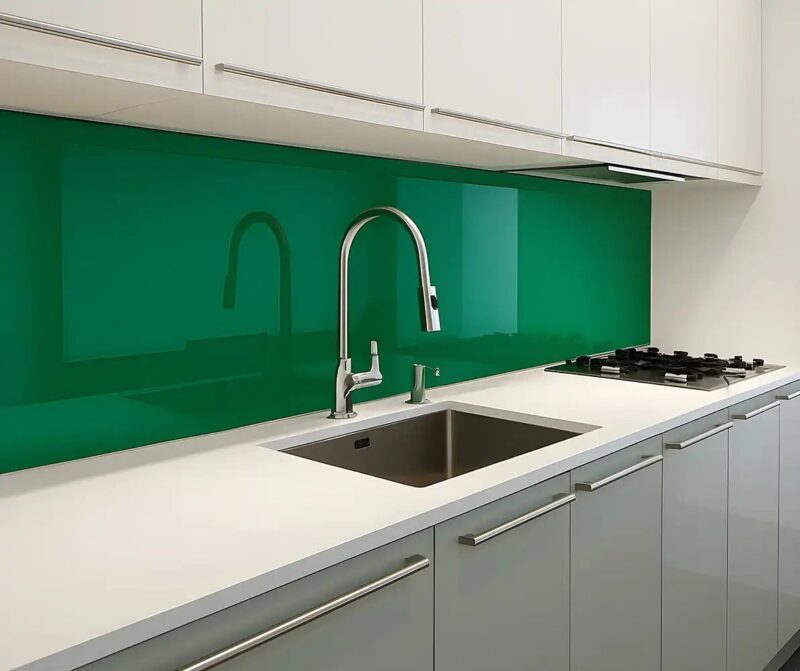
One of the biggest advantages of glass splashbacks is how easy they are to wipe clean. Grease and splashes sit on the surface, so a quick wipe often restores a spotless finish.
They also create a seamless look with minimal joins, which many people prefer over tiled grout lines. This can make a kitchen feel more open, especially in smaller rooms.
Another benefit is the design flexibility. Glass can be made in many colours and it can also be produced with different finishes to suit your style.
When planning glass splashbacks, many homeowners like that the surface reflects light and brightens darker corners. This is helpful in kitchens with limited natural daylight or deep worktop runs.
Glass is also a hygienic option because it is non porous. It does not absorb cooking smells or moisture in the way some natural materials can.
Cons to consider before you commit

The most common complaint is that glass can show fingerprints, water spots, and smudges, especially in glossy finishes. This is most noticeable near sinks, kettles, and high touch areas.
Another consideration is that accurate measurement is essential. Cutouts for sockets and switches must be correct because glass cannot be cut after it is toughened.
Cost can be higher than basic tiles or painted walls, particularly for large panels and complex layouts. Extra details like multiple cutouts, unusual corners, or premium glass types can increase the price.
There is also the risk of damage during handling or installation. Glass is strong when fitted correctly, but it can chip at the edges if knocked or placed on hard surfaces carelessly.
Heat performance depends on correct specification. Behind a hob, the panel should be suitable for cooking zones and installed with the right clearances and materials.
Long term maintenance and how to keep it looking new

Day to day care is simple, but the right routine makes a difference over time. Use a soft microfibre cloth and a gentle cleaner to avoid haze and streaks.
Spraying cleaner onto the cloth instead of directly onto the glass can help prevent liquid from running down to edges. This can also reduce the chance of moisture sitting near seals for long periods.
To reduce streaks, buff the surface in small circles and then finish with straight strokes. Cleaning in good light helps you spot marks before they dry.
For tougher grease, use warm water with a small amount of mild washing up liquid. Avoid abrasive pads and harsh powders because they can mark the surface or dull certain finishes.
Pay attention to the bottom edge where the glass meets the worktop. Keep the seal clean and replace it if it cracks, because a good seal prevents moisture from creeping behind the panel.
If you notice chips on an edge, address them early with professional advice. Small chips can sometimes be stabilised, while ignoring them may lead to further damage.
Conclusion
Glass splashbacks offer a sleek look, easy cleaning, and strong design flexibility that suits many modern kitchens. Their main downsides are visible smudges, the need for precise measuring, and careful handling during fitting.
With gentle cleaning, good sealing, and the right specification for cooking areas, they can stay attractive for years. If you want a bright, seamless finish and you are happy to wipe it down regularly, glass can be a smart long term choice.